
Protect your patio from snow and ice all winter with these tips from our experts.
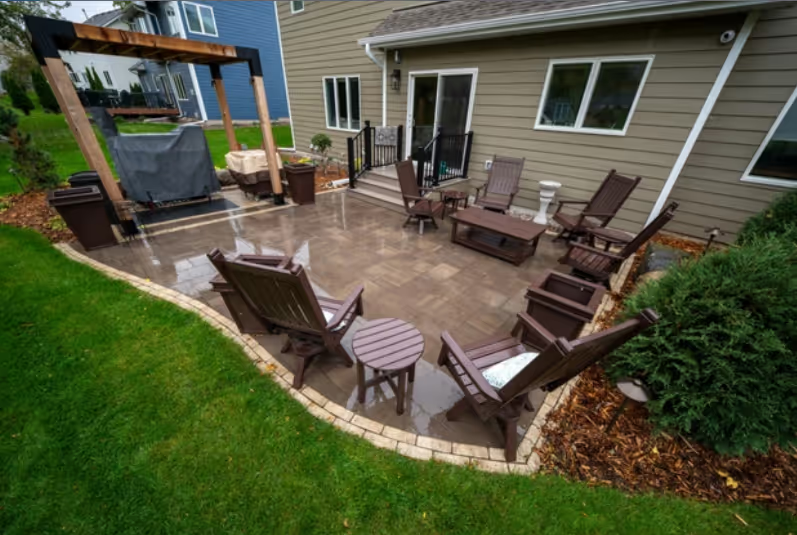
Your beautiful paver patio represents a significant investment in your outdoor living space. But Minnesota's brutal winter conditions pose serious threats to hardscape longevity and appearance. Freeze-thaw cycles, ice accumulation, and improper snow removal can cause cracking, shifting, joint failure, and permanent damage that costs thousands to repair.
The good news? With proper winter maintenance and protective measures, your hardscapes can withstand decades of Minnesota winters while maintaining their beauty and structural integrity. At Minnesota Landscapes, we've designed and installed countless patios and hardscapes across the Twin Cities since 1996, and we've learned exactly what it takes to protect these investments through our region's harsh winter conditions.
Minnesota experiences some of the most severe freeze-thaw cycles in the nation. When temperatures swing from well below freezing to above 32°F repeatedly—particularly during late winter—moisture trapped in or beneath hardscape materials expands and contracts. This constant movement creates tremendous pressure that can crack pavers, shift base materials, and destroy joint integrity.
How Freeze-Thaw Cycles Destroy Hardscapes
The freeze-thaw process starts when moisture seeps into tiny cracks, joints, or porous materials. As water freezes, it expands by approximately 9 percent, exerting pressure that exceeds the tensile strength of most hardscape materials. When temperatures rise above freezing, the ice melts and water drains deeper into the structure. The next freeze cycle repeats the process, with damage compounding each time.
Over a single Minnesota winter, your hardscapes might experience 40-60 freeze-thaw cycles. Areas with poor drainage or compromised joint sand suffer the most severe damage because water has easy access to vulnerable areas. The result is cracked pavers, heaved sections, sunken areas, and failed joints that require extensive repairs.
Why Proper Base Construction Matters
Quality hardscape installation begins underground with proper base preparation that prevents freeze-thaw damage before it starts. At Minnesota Landscapes, our ICPI-certified installers construct bases specifically designed for Minnesota's challenging conditions. This includes adequate drainage systems, properly compacted base materials, and correct joint sand application that prevents moisture infiltration.
If your existing patio or walkway was installed without proper base preparation, winter conditions will eventually reveal these deficiencies through cracking, settling, and joint failure. Understanding whether your hardscape was properly constructed helps you anticipate maintenance needs and plan for potential repairs.
How you remove snow and ice from your hardscapes makes the difference between minor maintenance and major repairs. Improper removal techniques cause immediate damage while also accelerating long-term deterioration.
Choose the Right Snow Removal Tools
Metal shovels, snow plows, and steel-edged tools should never touch your paver surfaces. These aggressive tools scratch pavers, chip edges, and gouge surface textures that took years to develop. The damage isn't just cosmetic—scratches and gouges create rough surfaces that trap moisture and accelerate freeze-thaw damage.
Use plastic shovels or snow blowers with rubber-edged augers designed for hardscape surfaces. These tools effectively remove snow without damaging paver surfaces or joints. For large patio areas, consider a lightweight plastic snow pusher that clears wide paths quickly while protecting your investment.
Prompt Snow Removal Prevents Moisture Infiltration
Remove snow from your hardscapes promptly after each snowfall—ideally within 24 hours. Snow that sits on pavers melts during sunny days, and that meltwater seeps into joints and microscopic cracks. When temperatures drop overnight, this trapped moisture freezes and begins the destructive freeze-thaw cycle.
Prompt removal also prevents ice formation from foot traffic compacting snow into dense, slippery layers. Once this happens, removal becomes much more difficult and the risk of damage from aggressive removal techniques increases dramatically.
Safe and Effective Ice Management
Ice accumulation on hardscapes creates both safety hazards and maintenance challenges. However, many common deicing products cause serious damage to pavers, joint materials, and surrounding landscape plants.
Choosing Hardscape-Safe Deicers
Not all deicers are created equal when it comes to hardscape safety. Rock salt (sodium chloride) is inexpensive but causes significant damage to pavers, concrete, and plants. As salt-laden water seeps into pavers, it crystallizes within the material, creating internal pressure that causes surface spalling, pitting, and deterioration.
Calcium chloride works at lower temperatures than rock salt but can still damage some paver types and harms landscape plants when used excessively. Magnesium chloride offers better safety for both hardscapes and plants, though it still requires careful application.
The safest approach combines minimal deicing product use with mechanical ice removal and strategic application of sand for traction. When deicers are necessary, use calcium magnesium acetate or products specifically formulated for hardscape use. Always follow manufacturer recommendations for application rates—more is not better and often causes more harm.
Sand Provides Traction Without Damage
Clean, coarse sand offers excellent traction on icy surfaces without any chemical damage to pavers or plants. Sand works particularly well for residential applications where foot traffic is moderate and immediate ice melting isn't critical for safety.
Apply sand after removing loose snow, focusing on high-traffic areas, slopes, and steps where traction matters most. Come spring, sand sweeps away easily without leaving residue or causing damage. This simple, traditional approach remains one of the safest and most cost-effective methods for winter hardscape safety.
Proper drainage is absolutely critical for hardscape longevity in Minnesota. Water that cannot drain away from or through your patio will freeze in place, creating the conditions for severe freeze-thaw damage.
Ensure Water Drains Away From Hardscapes
Professional hardscape installation includes proper grading that directs water away from paver surfaces and toward appropriate drainage areas. Throughout winter, monitor your hardscapes during thaw periods to verify water drains properly rather than pooling on the surface or along edges.
Ice dams forming along patio edges signal drainage problems that need attention. Water pooling in low spots indicates settled base materials or improper initial grading. These issues should be noted for spring correction, but you can minimize winter damage by manually removing standing water before it refreezes.
Keep Drainage Channels Clear of Ice and Debris
If your hardscape installation includes drainage channels, catch basins, or French drains, keep these clear throughout winter. Ice, leaves, and debris can block drainage paths, causing water to back up onto hardscape surfaces where it causes damage.
After major snow melts or winter rainstorms, verify that drainage features are flowing freely. Remove any ice dams or debris blocking channels. This simple maintenance prevents water from seeking alternative paths through or beneath your hardscapes.
Downspouts and Runoff Management
Gutter downspouts must direct water well away from hardscapes during winter thaw periods. Water flowing from downspouts onto frozen hardscapes creates sheets of ice that present safety hazards and accelerate freeze-thaw damage.
Verify downspout extensions remain properly positioned and haven't shifted under snow load. Water should discharge at least 6-10 feet from hardscape edges, preferably onto landscape areas with good absorption or into proper drainage systems. This simple verification prevents ice accumulation and protects both your hardscapes and your home's foundation.
The joints between pavers and any sealant applied to surfaces require specific attention during winter months. These components play critical roles in preventing moisture infiltration and maintaining hardscape integrity.
Understanding Joint Sand Function
Polymeric sand fills the joints between pavers, creating a semi-rigid bond that prevents paver movement while allowing for proper drainage. Quality joint sand installation resists erosion, prevents weed growth, and—most importantly for winter—blocks moisture penetration that leads to freeze-thaw damage.
Throughout winter, inspect joints periodically for erosion or loss of sand. High-traffic areas and slopes are most susceptible to joint sand loss during snow removal. Compromised joints allow moisture penetration and paver shifting that worsens with each freeze-thaw cycle.
Spring Joint Restoration
Plan for joint restoration as your first spring hardscape maintenance task. Winter conditions inevitably cause some joint sand loss that should be addressed promptly. Refilling joints before spring rains prevents moisture penetration and stabilizes pavers for summer use.
Our team at Minnesota Landscapes provides professional joint restoration services that ensure proper polymeric sand selection, application, and curing. This specialized service extends hardscape life and prevents small problems from becoming major repairs.
Sealant Considerations for Winter Protection
Sealed pavers offer enhanced protection against moisture infiltration, staining, and freeze-thaw damage. However, sealant timing matters tremendously in Minnesota. Sealant should be applied in fall before temperatures drop below 50°F consistently, allowing proper curing before winter conditions arrive.
If your hardscapes weren't sealed before winter, wait until spring rather than attempting winter application. Sealants require specific temperature ranges and drying conditions that winter simply cannot provide. Improper application creates more problems than it solves, including cloudy appearance, poor adhesion, and inadequate protection.
Winter provides an opportunity to monitor your hardscapes for structural issues that may require attention. Early detection allows you to plan repairs before problems worsen and become significantly more expensive to address.
Signs of Settling or Movement
Snow removal reveals changes in hardscape levels that might not be apparent during summer when furniture and plantings obscure subtle shifts. Look for pavers that have settled lower than surrounding areas, creating trip hazards or water collection points. Note areas that seem higher than before, which indicates heaving from frost penetration or inadequate base preparation.
Document these observations with photos and measurements. This information helps contractors diagnose problems and develop appropriate repair strategies when conditions allow spring work.
Edge Restraint Inspection
The edge restraints that hold your patio perimeter in place take tremendous stress during freeze-thaw cycles. Inspect visible edge restraints for shifting, separation, or damage. Compromised edges allow paver migration, creating gaps and instability that worsen rapidly once started.
If you notice edge problems developing, contact a professional before spring arrives. Early intervention often allows simpler repairs than waiting until pavers have shifted significantly.
Identifying Cracking or Surface Damage
While some surface wear is normal over years of use, cracking or spalling (surface flaking) signals problems requiring attention. Note any pavers showing new cracks or deteriorating surfaces. These may need replacement before damage spreads to adjacent pavers or indicates underlying structural issues.
Quality pavers properly installed should last decades without significant cracking. If multiple pavers show damage in their first 5-10 years, installation quality or base preparation problems may be responsible. Professional evaluation can determine whether repairs should include addressing underlying causes.
Winter protection extends beyond the hardscapes themselves to include retaining walls, steps, and other hardscape features that complete your outdoor living spaces.
Retaining Wall Winter Monitoring
Retaining walls face enormous pressure during winter as frozen soil expands behind them. Well-constructed walls with proper drainage handle these forces, but compromised drainage or inadequate construction can lead to bulging, leaning, or failure during winter months.
Inspect retaining walls monthly throughout winter for any signs of movement, leaning, or distress. Small changes early in winter may indicate serious problems developing that require immediate professional assessment. Don't wait until spring to address retaining wall concerns—winter damage typically worsens rapidly and can result in catastrophic failure if ignored.
Step and Landing Maintenance
Hardscape steps and landings receive intense wear during winter from concentrated foot traffic, aggressive ice removal, and deicing chemicals. These areas deserve extra attention for safety and longevity.
Keep steps cleared of snow and ice promptly using appropriate tools and minimal deicing products. Apply sand generously on steps for traction rather than relying heavily on chemical deicers. Monitor step edges for chipping or damage from snow removal tools, and note areas where water accumulates and creates ice hazards.
Use winter as your planning season for spring hardscape maintenance and improvements. This proactive approach allows you to schedule work early, often securing better pricing and timing than waiting until everyone else realizes they need repairs.
Professional Spring Assessment
Schedule a professional hardscape assessment for early spring—ideally in March or early April before the busy season fills contractors' schedules. This evaluation identifies winter damage, necessary repairs, and maintenance needs before problems worsen through another season.
Minnesota Landscapes provides comprehensive hardscape assessments that cover structural integrity, drainage function, joint condition, and aesthetic concerns. We develop prioritized repair plans that address critical issues while considering your budget and goals.
Seasonal Maintenance Planning
Develop a seasonal hardscape maintenance calendar that includes spring cleaning, joint restoration, summer inspections, fall sealing (if appropriate), and winter protection measures. This systematic approach prevents surprise repairs and extends hardscape life dramatically compared to reactive maintenance.
Our team can develop customized maintenance plans tailored to your specific hardscape materials, age, and use patterns. Regular professional maintenance costs far less than major repairs resulting from neglect.
Minnesota's challenging winter conditions demand expertise that goes beyond general landscaping knowledge. Our team at Minnesota Landscapes holds ICPI certification specifically for hardscape installation and maintenance, ensuring we understand both proper construction methods and appropriate maintenance practices.
Since 1996, we've designed and installed hundreds of patios, walkways, and hardscape features across White Bear Lake, Woodbury, Eden Prairie, Edina, Minneapolis, St. Paul, and throughout the Twin Cities. Our design-first approach ensures hardscapes are built to withstand Minnesota winters from the ground up, with proper drainage, adequate base preparation, and quality materials selected for long-term performance.
We don't just install and walk away—we stand behind our work with comprehensive support and professional guidance for protecting your investment. Our team understands the GROWTH values that define our company: providing Great service, Reliable work we deliver on, taking Ownership and responsibility, being Willing to go the extra mile, working as a committed Team, and approaching every project with Humility and an open mind.
Don't let Minnesota's winter conditions destroy your beautiful outdoor living spaces. With proper snow removal techniques, appropriate ice management, drainage maintenance, and structural monitoring, your hardscapes can weather decades of harsh winters while maintaining their beauty and function.
Whether you need professional assessment of existing damage, guidance on proper winter maintenance, or comprehensive spring restoration services, Minnesota Landscapes brings nearly three decades of Twin Cities hardscape expertise to your property. Our designers can also help you plan new patio installations or outdoor living space expansions that incorporate lessons learned from generations of Minnesota winters.
Ready to protect your hardscape investment from freeze-thaw damage? Contact Minnesota Landscapes at 651-457-0000 or info@minnesotalandscapes.com to schedule your professional hardscape assessment and develop a customized maintenance plan that keeps your outdoor living spaces beautiful for decades to come.

